

Design
At DEKC, we turn ideas, operational requirements and technical constraints into practical, buildable maritime designs.
Whether we start from a blank sheet, a client’s first idea or an existing concept, we work closely with our clients to develop a design that brings together functionality, performance, safety and buildability.
Our integrated and iterative design approach combines naval architecture with structural, mechanical and systems engineering. This lets us consider the vessel as a whole and make well-founded design choices from an early stage.
Depending on the project, we develop the design from the first feasibility studies and concept development through to a complete basic design ready for class approval and further engineering.
Naval architecture
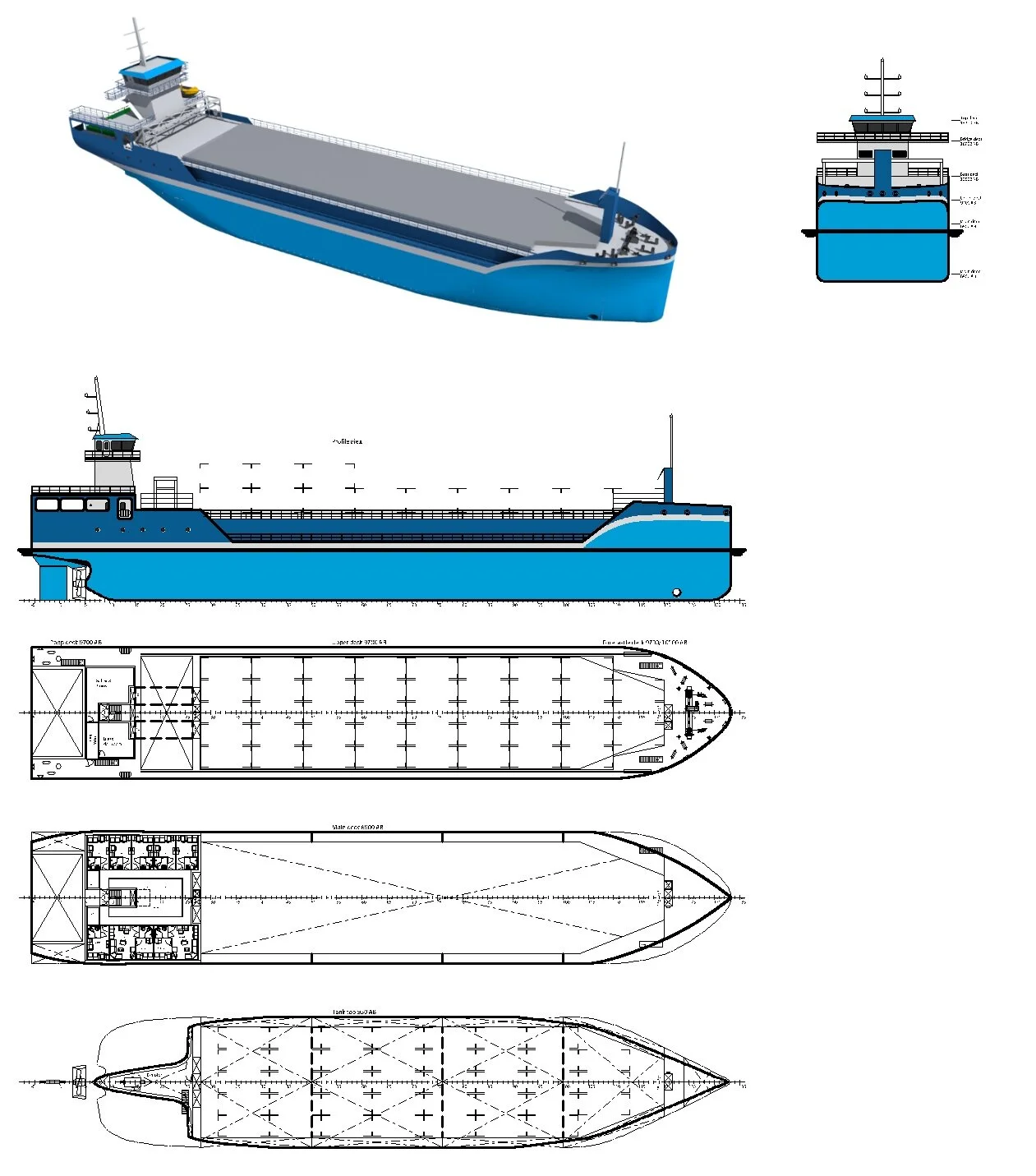
Whether we are starting with a blank sheet of paper or from an existing vessel concept, we can bring the design to the point that it is ready for class approval.
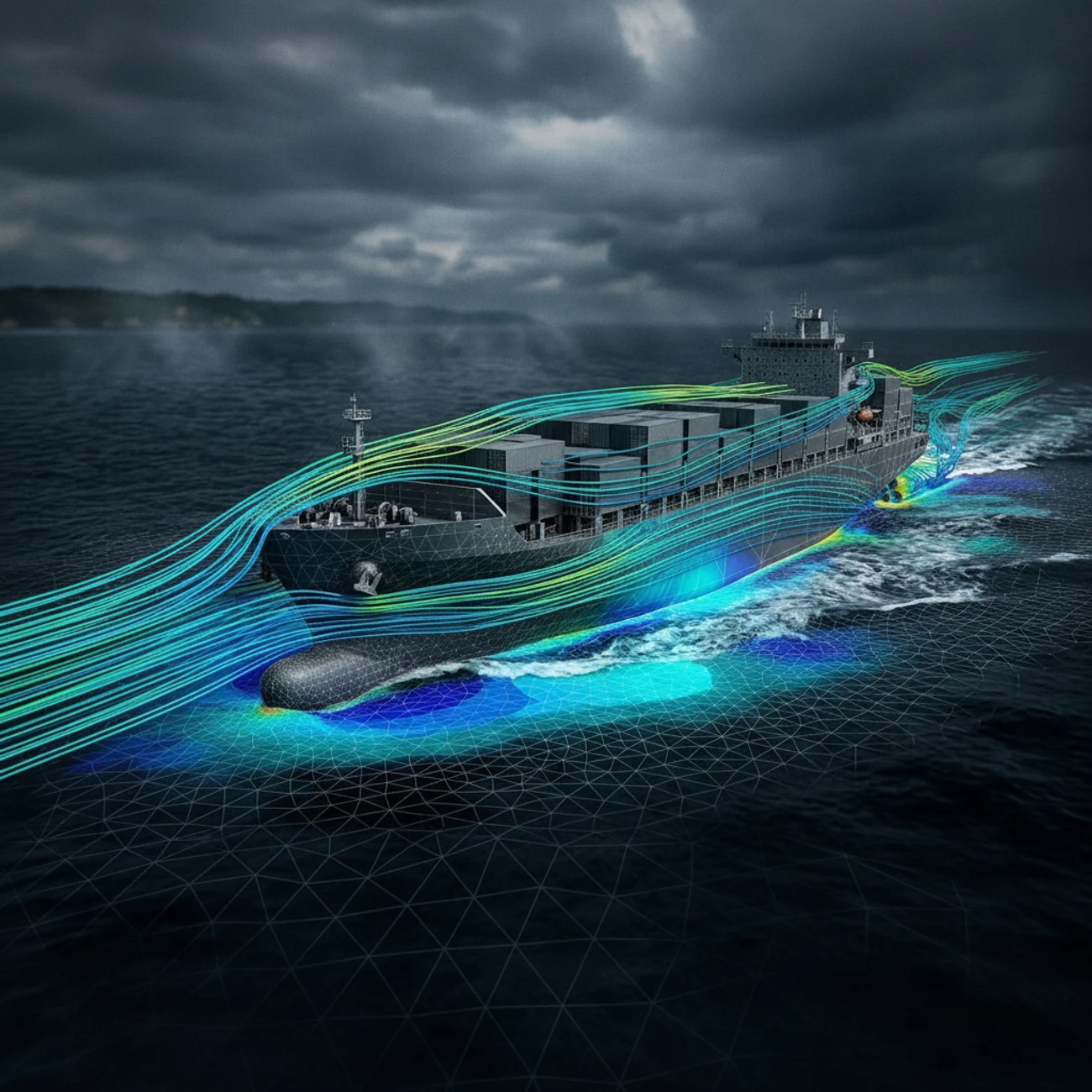
This includes the preparation of all plans and arrangements, calculating and compiling the necessary stability documentation, and determining speed, power and seakeeping in our virtual towing tank.
Having all these capabilities in-house maintains our integrated design philosophy and allows us to respond quickly to changing requirements. And when starting from scratch, it lets us optimise a design from day one.
Structural design
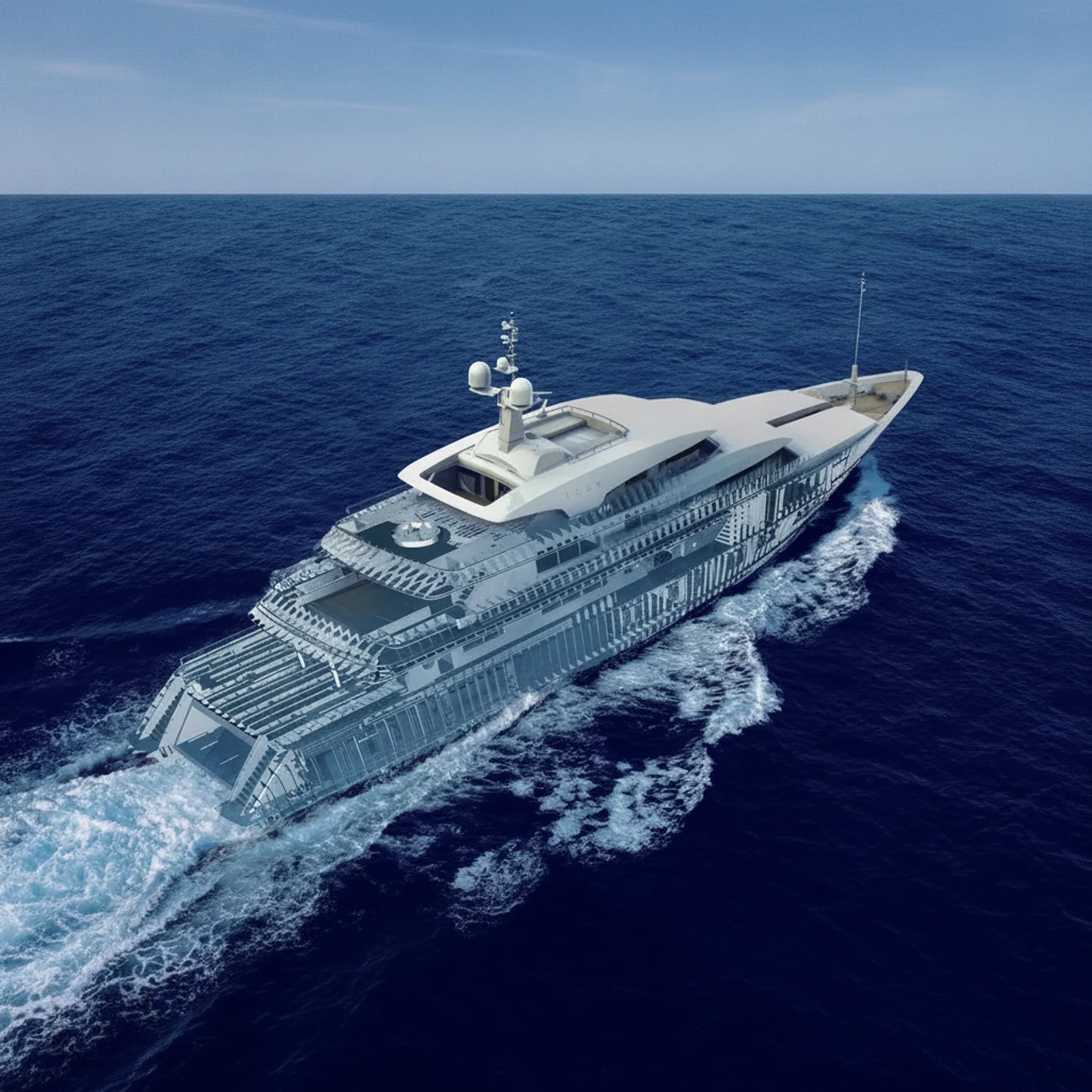
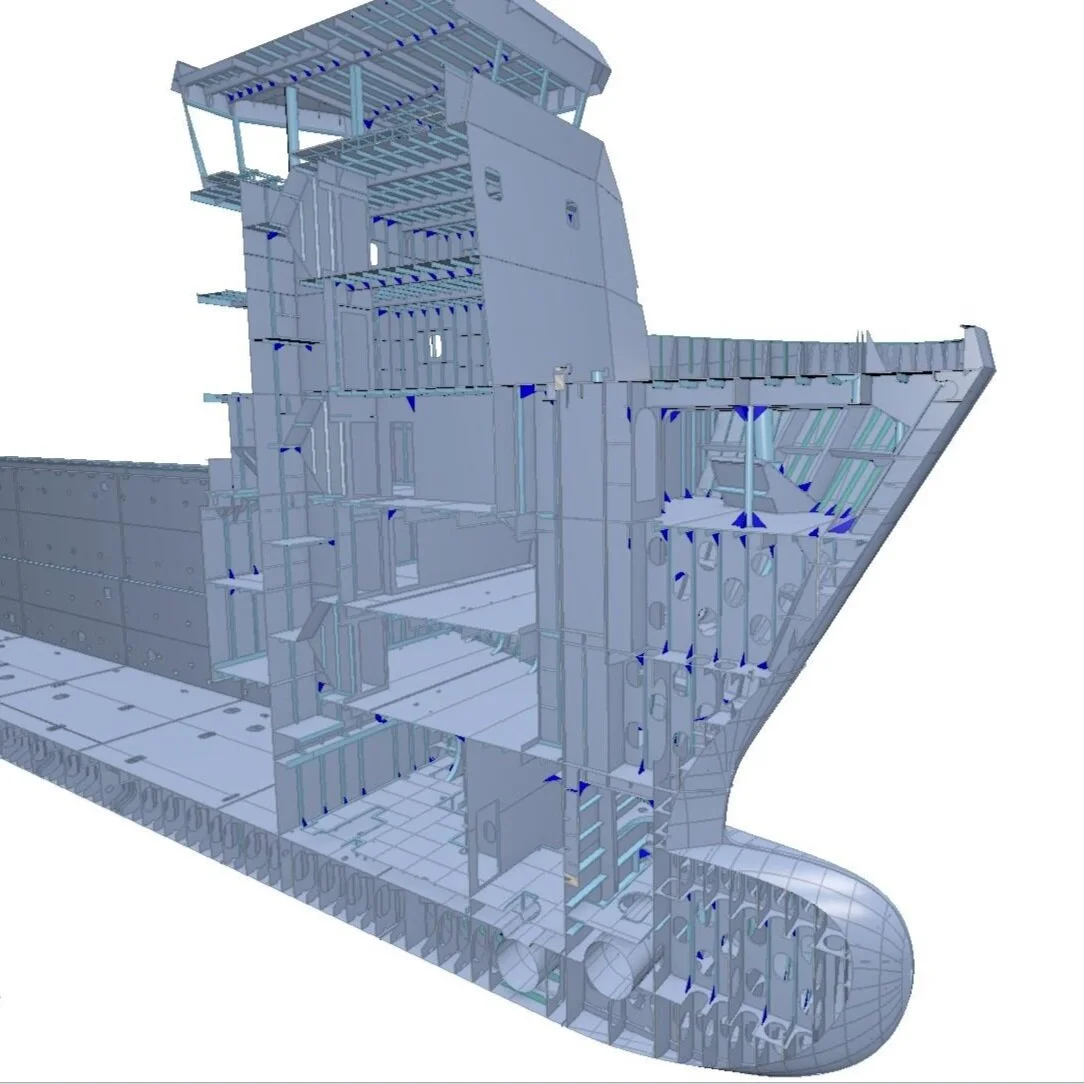
We offer services from the first set-up of the main cross-section to complete construction plans based on a full 3D engineering model, according to whichever classification society is desired.
In-depth analysis of critical areas using FEM can also be performed.
Besides this, smart design of the structure can be of the utmost importance in reducing building costs and maximising deadweight. Therefore, we involve both the operator and the builder in this process whenever possible.
System design
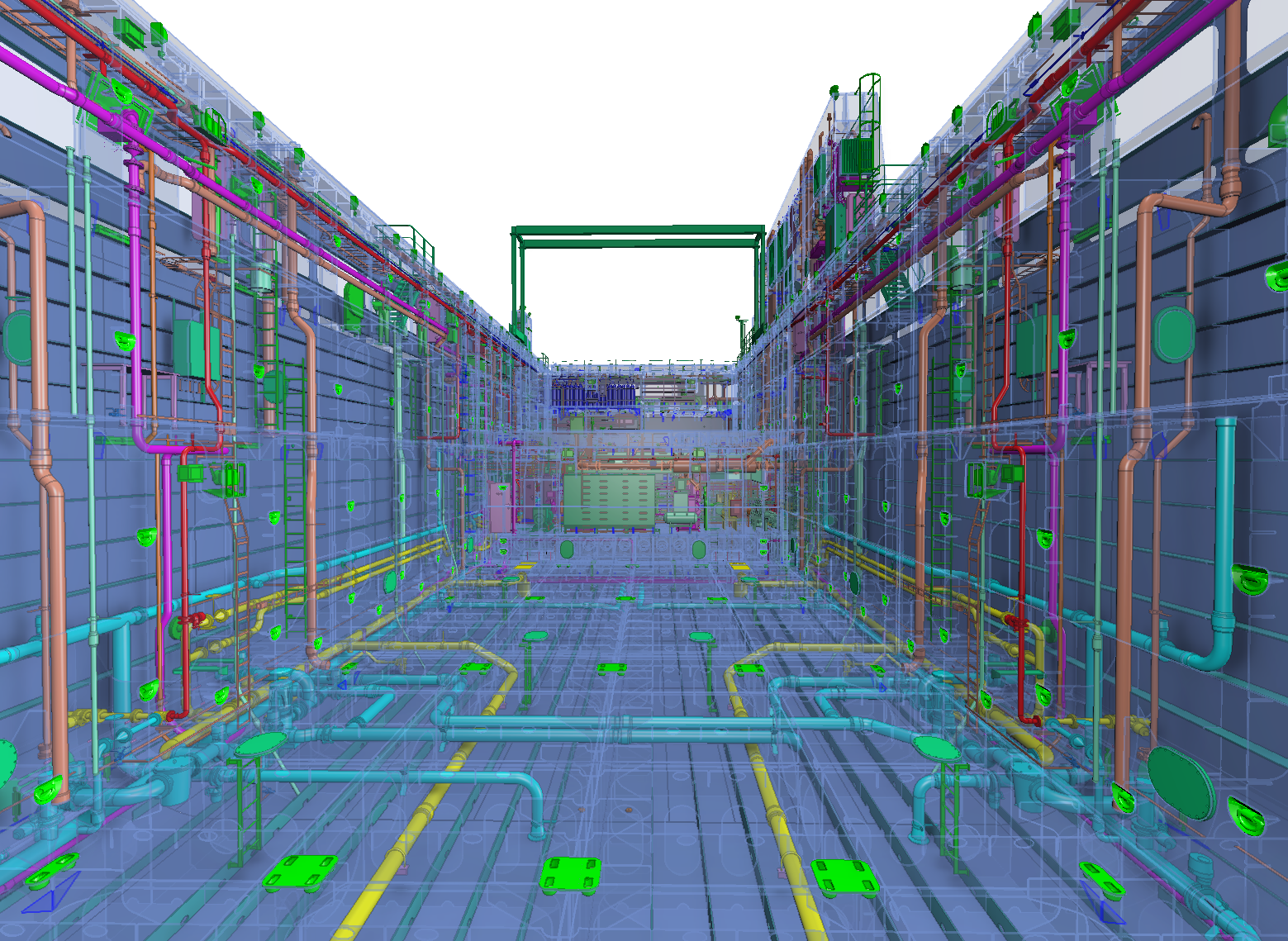
Part of our integrated design approach is to include the design and layout of a vessel's on-board systems at an early stage in the design process.
This ensures no compromises need to be made to the overall design at a later stage.
At DEKC, system design and engineering is done using 3D Cadmatic software, from basic routing for space reservation and early MTO to detailed production information and every step in between. This way, engineering and models from different packages can be combined into one model, and customers can review during the engineering project by means of the eBrowser, giving full insight into every step.
Proof on real vessels
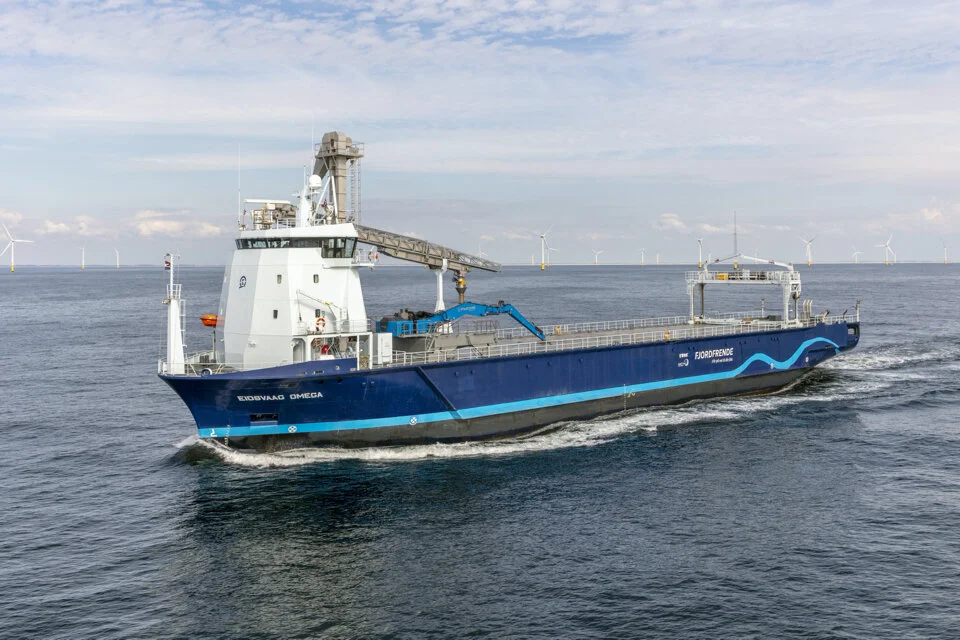
Eidsvaag Omega
Commercial farming of fish has seen an increase over the past years, resulting in the need for more dedicated vessels to supply these fish farms. Norwegian based Eidsvaag bought the cargo vessel Hartman Baltic, a 3,500 ton dwt roro ship, from the Dutch Hartman Marine Group to convert into a fishfeed carrier.
The conversion of the Eidsvaag Omega was managed and executed by the Hartman Marine group. DEKC Maritime was responsible for most of the design and engineering work required for this conversion. The modifications were performed at the Damen yard in Harlingen and at the Hartman Marine facilities in Urk.
Some of the modifications include: design and engineering of the new bulwark on the stern, refit of thruster rooms and engineering of a new generator room, as well as replacing the forward hatches with a fixed deck. More specific modifications are the placing of an unloader crane and elevator for the fishfeed handling and unloading system, two additional Veth thrusters and a DP system.
More related projects
You draw in 2D, but you have a 3D model to work with. You can really see what you're doing.
Lennard van DrielDetail Engineer
Read the interview